August 3, 2026
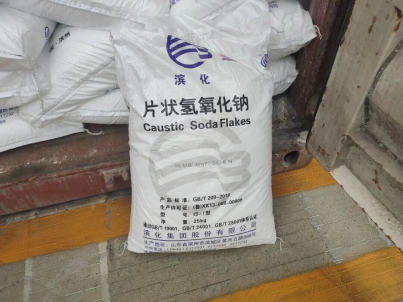
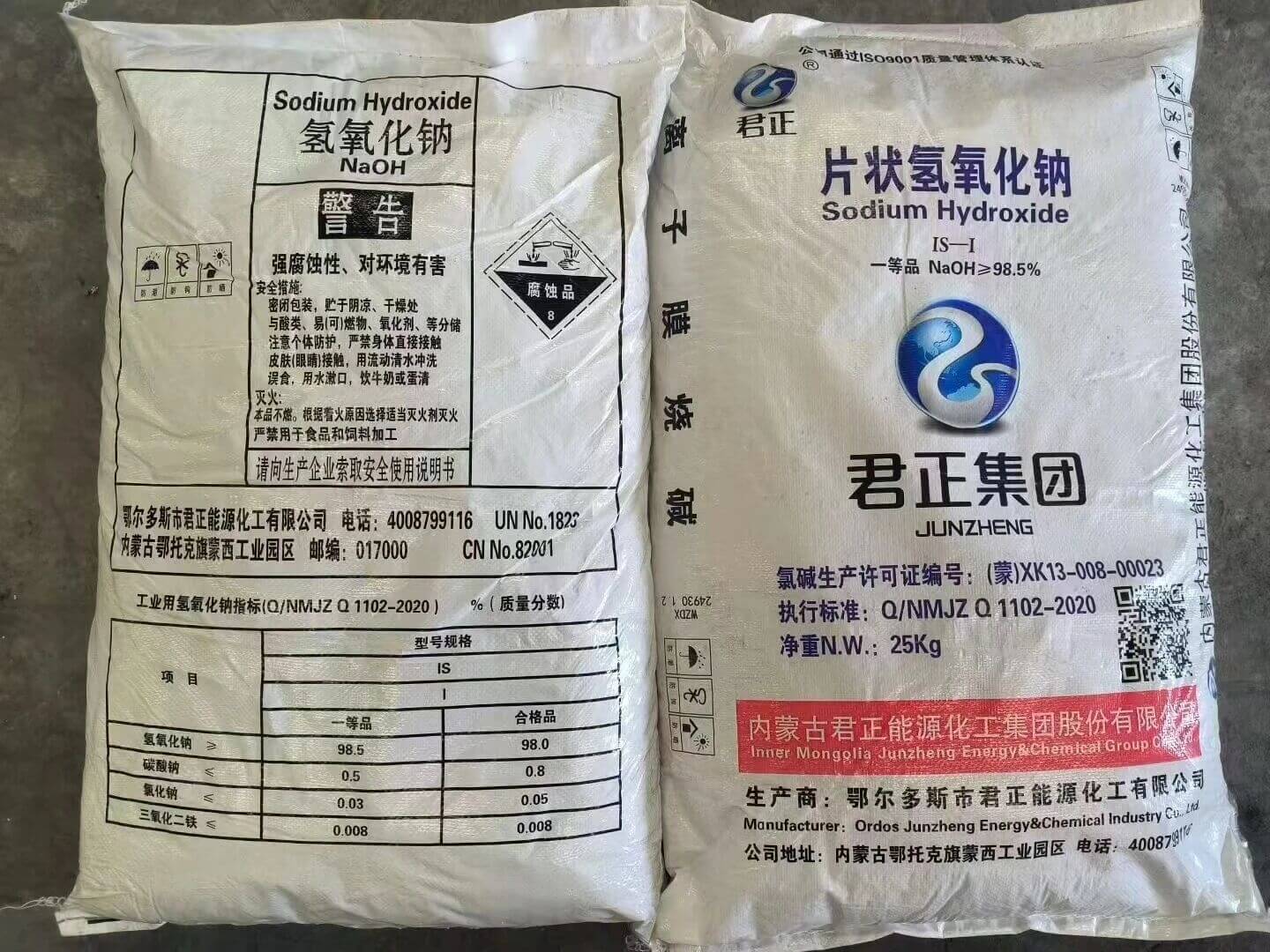
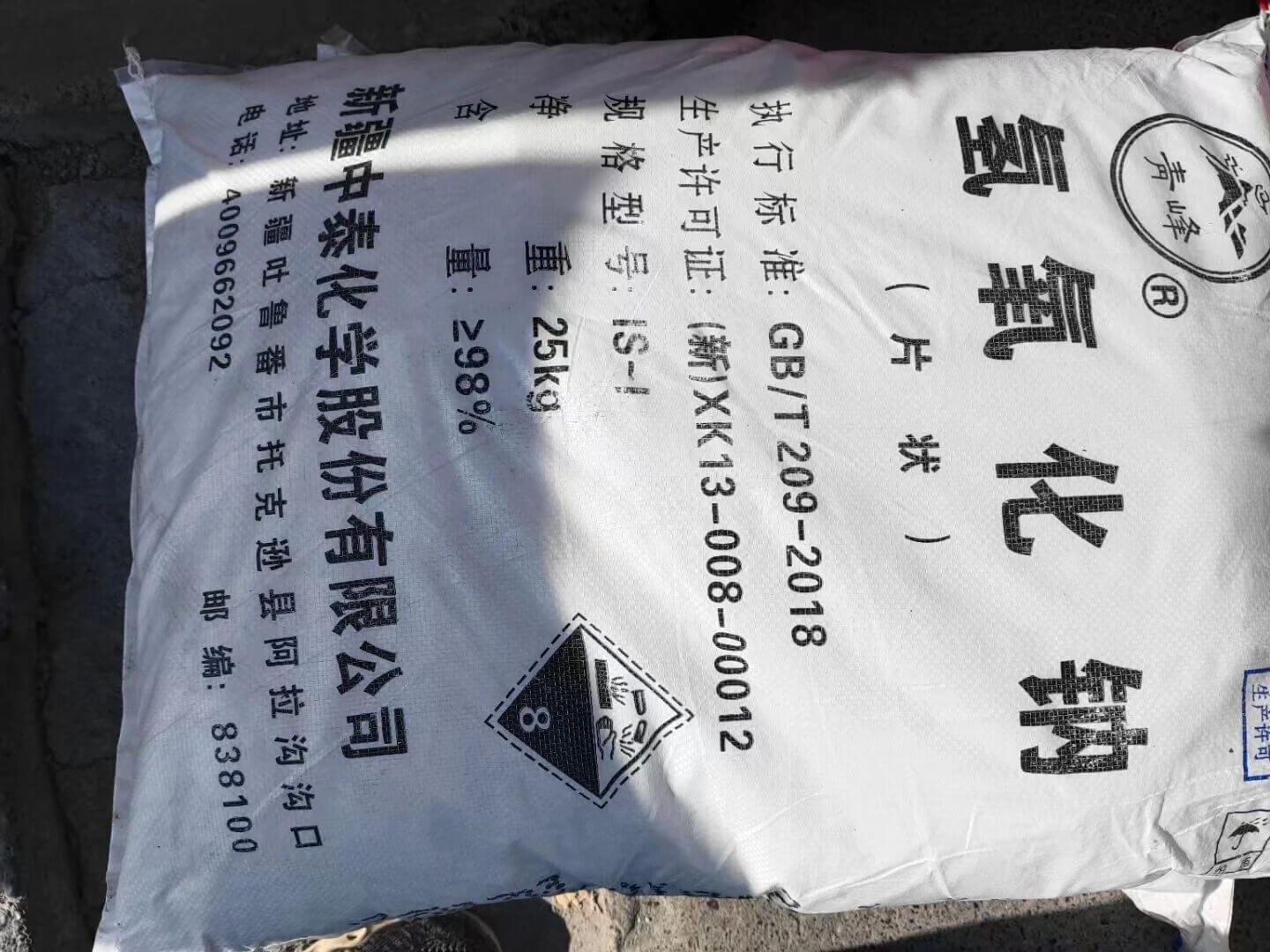
As a fundamental raw material in the chlor-alkali industrial chain, caustic soda is widely applied in alumina production, viscose fiber manufacturing, papermaking, printing and dyeing, water treatment, fine chemicals and other sectors. The ion-exchange membrane electrolysis process produces caustic soda alongside by-product chlorine and hydrogen gas. The capacity to absorb chlorine resources, energy cost control and supporting industrial chain capabilities directly determine the long-term competitiveness of chlor-alkali enterprises. Xinjiang Zhongtai Chemical Co., Ltd. (Stock Code: 002092) is rooted in Xinjiang. Capitalizing on local coal, raw salt and limestone resources, the company has established an extended circular economy industrial chain covering coal, thermal power, calcium carbide, chlor-alkali, viscose fiber and viscose yarn. Its caustic soda business acts as a core pillar of the business portfolio. Supported by in-situ material consumption and low-cost energy advantages, Zhongtai operates a unique business model that differentiates it from chlor-alkali manufacturers in eastern China.According to publicly disclosed corporate documents, Xinjiang Zhongtai Chemical holds a designed annual ion-exchange membrane caustic soda capacity of 1.46 million tons, paired with 2.05 million tons of annual PVC capacity. Production bases are distributed across Fukang Energy, Toksun Energy & Chemical, and Huatai Heavy Chemical Industry. Its main product is industrial-grade liquid caustic soda, supplemented by caustic soda flakes. Unlike most chlor-alkali enterprises that sell all caustic soda externally, Zhongtai possesses distinctive capacity for large-scale internal consumption of caustic soda. Caustic soda is directly supplied to downstream viscose fiber production lines to realize local conversion of raw materials and substantially cut logistics costs for finished product transportation. For external markets, caustic soda is steadily supplied to mainstream downstream industries including alumina, papermaking and chemical intermediates, striking a balance between regional consumption within Xinjiang and sales outside the province.Power expenditure constitutes the largest cost in electrolytic caustic soda production. Zhongtai operates supporting cogeneration units with sufficient installed capacity, maintaining a power self-sufficiency rate above 80%. Benefiting from low-cost coal resources in Xinjiang, electricity prices from captive power plants are markedly lower than grid power prices purchased by manufacturers in eastern and central China, forming the first cost moat for caustic soda production. Upstream supporting facilities include calcium carbide and lime production units. Raw salt is sourced locally, and calcium carbide slag is recycled for cement manufacturing. Waste heat generated during production is recovered in cascading modes to form a complete resource closed loop. The integrated circular system enables internal circulation of materials and energy, eliminates markups from intermediate trading links, and delivers stronger resilience amid industry downturns.The chlor-alkali co-production model facilitates closed-loop utilization of chlorine resources. Chlorine generated from caustic soda electrolysis is prioritized for PVC production, eliminating large-scale external sales of liquid chlorine and avoiding operational risks and price volatility associated with liquid chlorine storage, transportation and trading. The company can dynamically adjust production and sales strategies based on market trends of PVC and caustic soda. When PVC market sentiment weakens, externally sold caustic soda delivers steady cash flow. During upward cycles of caustic soda prices, overall profitability of the entire production complex is further improved. The dual-product cyclical hedging mechanism mitigates performance pressure caused by price swings of single products.Geographic location and export channels constitute differentiated strengths for Zhongtai’s caustic soda business. Situated at the frontier of westward opening under the Belt and Road Initiative, Xinjiang leverages China-Europe Railway Express and cross-border highway routes. Transportation distances for exporting chemicals such as caustic soda to Central Asia and Russia are favorable, making overseas markets a vital demand buffer that effectively alleviates periodic supply-demand imbalance in the domestic market. Nevertheless, objective challenges remain. The production base is far from major consumption hubs along China’s eastern coast. Long-distance outbound transportation from Xinjiang generates persistent logistics costs, limiting its competitiveness for large-volume deliveries to East and South China.Continuous technical upgrades and low-carbon transformation are steadily advancing. The company adopts large-scale zero-polar-distance ion-exchange membrane electrolysis facilities and carries out ongoing energy-saving renovations to lower unit power consumption for caustic soda production. Meanwhile, Zhongtai develops wind and solar power projects, promotes green power substitution, and explores the integrated development of wind-solar-hydrogen-caustic soda, aligning with national policies on energy consumption control and low-carbon transition. Efforts are made to boost recycled salt utilization and optimize production automation. Multiple patents related to caustic soda production have been implemented to sustain operational efficiency of manufacturing units.In terms of medium-to-long-term industrial layout, building on its existing chlor-alkali platform, the company extends downstream into specialty PVC resins and fine chemical products to improve its new materials portfolio. As a fundamental raw material, caustic soda continuously supports stable operation of two core product lines: PVC and viscose fiber, serving as an indispensable hub across the entire circular industrial chain.From an industry perspective, the supply landscape of China’s chlor-alkali sector keeps evolving. Tighter energy consumption and environmental regulations restrict approvals for new compliant capacity, and industrial capacity is gradually concentrating in northwest enterprises with integrated resource advantages. On the demand side, alumina maintains rigid consumption of caustic soda, while demand from water treatment and chemical fiber sectors remains stable. However, China boasts massive overall caustic soda capacity, leading to fierce homogeneous competition in the conventional industrial liquid caustic soda market.Objective risks cannot be ignored. Caustic soda is a highly cyclical bulk commodity whose price fluctuates drastically with macro demand, industry operating rates, and prices of coal, raw salt and electricity. Long-distance outbound transportation of chemicals in western China brings lasting logistics pressure. Commissioning of new integrated chlor-alkali projects in the northwest region will intensify regional competition. Stricter energy consumption and environmental supervision will drive sustained capital expenditure for technical renovations. In addition, shifts in geopolitical conditions may undermine stability of westward export businesses.Overall, the core competitiveness of Xinjiang Zhongtai Chemical’s caustic soda business stems from overlapping strengths including regional resource endowments, low-cost captive thermal power, closed-loop chlorine utilization, internal supply of caustic soda for viscose fiber, a full circular economy industrial chain and geographic advantages for westward exports. Caustic soda is not merely an independently saleable commodity, but also a critical intermediate raw material linking the PVC and viscose fiber business segments. In an era of stock competition within the chlor-alkali industry, the extended integrated circular industrial chain forms the key industrial foundation enabling Zhongtai’s caustic soda business to navigate chemical industry cycles.